


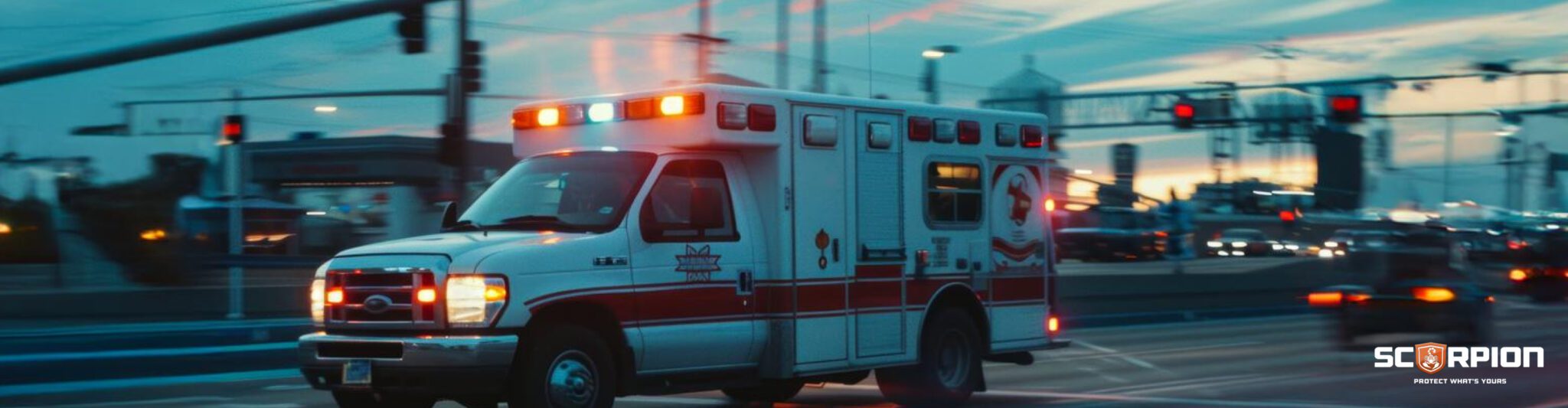
In the demanding world of emergency response, every piece of equipment in an emergency vehicle, down to the cabinetry, plays a crucial role in supporting first responders and ensuring efficiency and safety. Interior cabinetry in ambulances, fire trucks, and police vehicles must withstand rigorous conditions, and the right coatings are essential for durability, hygiene, and functionality. This guide delves into why coatings matter for emergency vehicle cabinetry, what qualities to look for, and the benefits of choosing specialized coatings tailored to emergency service needs.
Why Coatings Matter for Emergency Vehicle Interior Cabinetry
Emergency vehicles are used in some of the harshest environments. The cabinetry inside these vehicles, used to store life-saving tools, medications, and essential equipment, must endure constant use and exposure to varied conditions without showing wear or compromising safety. Interior cabinetry coatings protect these surfaces from:
- Moisture and Contaminants: Emergency vehicles often transport biohazards, chemicals, and other contaminants. A durable, non-porous coating can help cabinetry resist these substances and prevent them from penetrating surfaces, protecting the integrity of the cabinetry.
- Frequent Cleaning and Disinfection: Emergency vehicles are frequently cleaned with strong disinfectants to maintain hygiene. An effective coating resists chemical damage, ensuring that cabinetry can withstand regular sanitization without degrading over time.
- Impact and Abrasion: Cabinets in emergency vehicles are regularly opened and closed under high-stress conditions. Coatings that protect against scratches, dents, and other physical damage extend the life of cabinetry and reduce the need for costly repairs or replacements.
Key Qualities to Look for in Emergency Vehicle Cabinetry Coatings
Choosing the right coating for cabinetry in emergency vehicles goes beyond aesthetics or basic protection. Specialized coatings offer a range of properties to ensure safety, durability, and performance. Here are the most important qualities to consider:
- Chemical Resistance: Given the exposure to strong cleaning agents, biohazards, and potentially corrosive substances, the coating must resist a range of chemicals to prevent damage.
- Antimicrobial Properties: To maintain a sterile environment, antimicrobial coatings are often used to prevent the growth of bacteria, mold, and mildew on cabinet surfaces. These coatings help maintain hygiene and reduce the risk of contamination.
- Impact and Abrasion Resistance: Emergency responders rely on quick access to tools and equipment, which means cabinets are constantly in use. The coating should withstand frequent handling, minimizing scratches, dents, and other forms of wear.
- UV Stability: Emergency vehicles are often exposed to sunlight, which can cause discoloration and degradation in some coatings. UV-stable coatings maintain their appearance and performance, even with prolonged exposure to sunlight.
- Fire Resistance: Coatings with fire-resistant properties can offer an extra layer of safety by slowing the spread of flames in case of a fire, providing additional protection for both responders and equipment.
- Ease of Cleaning: A non-porous, smooth coating allows for easy cleaning and disinfection. Look for coatings with a slick, durable finish that can withstand scrubbing without trapping contaminants.
- Low VOC and Environmentally Friendly: Choosing low-VOC (volatile organic compound) coatings contributes to a safer, healthier environment inside the vehicle. Low-VOC coatings reduce harmful off-gassing, protecting the respiratory health of responders.
Popular Types of Coatings for Emergency Vehicle Cabinetry
There are various coating materials that meet the rigorous standards for emergency vehicle cabinetry. Each type has its advantages, and the best choice depends on the specific needs of the vehicle and its use case.
- Powder Coatings
Powder coating is a popular choice for emergency vehicle cabinetry due to its durability and resistance to chemicals, abrasion, and impact. It creates a smooth, uniform finish that’s easy to clean and available in various textures. Powder coatings can also incorporate antimicrobial agents, which helps prevent the growth of bacteria on cabinetry surfaces. - Polyurethane Coatings
Powder coating is a popular choice for emergency vehicle cabinetry due to its durability and resistance to chemicals, abrasion, and impact. It creates a smooth, uniform finish that’s easy to clean and available in various textures. Powder coatings can also incorporate antimicrobial agents, which helps prevent the growth of bacteria on cabinetry surfaces. - Epoxy Coatings
Epoxy coatings are renowned for their hardness, impact resistance, and adhesion. They provide a highly durable surface that resists both chemicals and abrasion, making them a suitable choice for high-traffic areas within emergency vehicles. However, epoxy may not have the UV stability of polyurethane, so it’s best suited for interior surfaces that aren’t exposed to direct sunlight. - Antimicrobial Coatings
Specialized antimicrobial coatings incorporate agents like silver ions to inhibit microbial growth on surfaces. These coatings are especially beneficial in environments requiring stringent hygiene standards, such as ambulances. By actively preventing the spread of bacteria and mold, antimicrobial coatings contribute to a cleaner, safer environment inside the vehicle.
The Benefits of High-Quality Cabinetry Coating in Emergency Vehicles
Investing in a high-quality coating for emergency vehicle cabinetry offers multiple benefits that support both functionality and long-term cost savings:
- Enhanced Hygiene and Infection Control: Antimicrobial coatings and easy-to-clean surfaces help maintain a sanitary environment, reducing the risk of infections and contamination.
- Extended Lifespan: Abrasion- and impact-resistant coatings protect cabinetry from frequent wear and tear, extending the life of the equipment and reducing the need for replacements.
- Improved Safety: Fire-resistant and low-VOC coatings add layers of safety, both by minimizing fire risks and improving air quality within the vehicle.
- Reduced Maintenance Costs: Durable coatings that resist scratches, chemicals, and UV exposure help keep cabinetry looking and functioning like new, minimizing repair and maintenance expenses over time.
- Aesthetic Appeal: High-quality coatings maintain a professional appearance, ensuring the interior of the emergency vehicle looks clean, organized, and well-maintained, which can positively impact patient and responder confidence
Choosing the Right Coating Provider for Emergency Vehicle Cabinetry
Selecting a provider who understands the unique requirements of emergency vehicle cabinetry is essential. A reliable coating provider should have experience working with high-performance coatings tailored for demanding environments and should offer a range of customizable options. Additionally, they should provide guidance on the best coating solutions based on factors like durability, hygiene requirements, and budget. When choosing a coating provider, look for the following qualities:
- Industry Experience: Providers who specialize in coatings for emergency vehicles or similar environments understand the standards required for durability, safety, and cleanliness.
- Customization Options: Since every emergency service may have unique needs, a provider offering a variety of coatings, colors, and textures is beneficial.
- Support and Training: A provider that offers training on proper application and maintenance can help ensure the coatings are applied correctly and last longer.
Maintenance Tips for Coated Cabinetry in Emergency Vehicles
To maximize the lifespan and effectiveness of coated cabinetry, follow these maintenance tips:
- Regular Cleaning: Clean cabinetry surfaces frequently with mild detergents or approved disinfectants. Avoid using harsh abrasives that may wear down the coating.
- Routine Inspections: Periodically inspect coated surfaces for signs of wear, such as scratches or fading. Address any damage quickly to prevent further degradation.
- Follow Manufacturer Guidelines: Adhere to any specific maintenance instructions provided by the coating manufacturer to avoid voiding warranties or damaging the surface.
Final Thoughts
Emergency vehicle cabinetry coatings play a crucial role in maintaining functionality, safety, and cleanliness for first responders. With the right coatings, emergency vehicles can be equipped to handle the challenges of everyday service while protecting critical equipment and providing a safer environment for responders and patients alike. Choosing a high-quality coating that meets the unique demands of emergency response is an investment in the efficiency, longevity, and reliability of emergency vehicles.
As the field of coatings technology advances, emergency service providers can expect even more options tailored to their needs. For now, understanding the key qualities of effective cabinetry coatings can help you make an informed choice that supports the mission of emergency response and ensures the resilience of emergency vehicles for years to come.